When your HVAC system isn’t working properly, it can quickly disrupt your comfort, especially in a climate like Savannah, GA where heating and cooling are essential year-round. The good news is that not every HVAC issue requires a technician. Sometimes, a simple check or reset can solve the problem.
In this guide, we’ll walk you through how to troubleshoot the most common HVAC problems at home. These steps can help you fix minor issues, save money on service calls, and know when it’s time to call in the professionals.
Safety First: What You Should Know Before You Start
- Turn off power to the HVAC system at the thermostat and breaker panel if working near wiring or mechanical components.
- Never open sealed components like refrigerant lines or electrical panels unless you're a certified technician.
- Always prioritize safety. When in doubt, call a licensed HVAC professional
1. HVAC System Won’t Turn On
Troubleshooting Steps:
- Check Thermostat Settings: Ensure it’s set to "cool" or "heat" and the temperature is set correctly.
- Change the Batteries: If your thermostat uses batteries, weak or dead batteries can prevent the system from starting.
- Check the Breaker Box: A tripped circuit breaker is often the cause. Reset the breaker if needed.
- Check the Furnace or Air Handler Switch: This may have been accidentally turned off.
2. Air Conditioner Isn’t Cooling Properly
Troubleshooting Steps:
- Inspect the Air Filter: A clogged filter reduces cooling power. Replace if dirty.
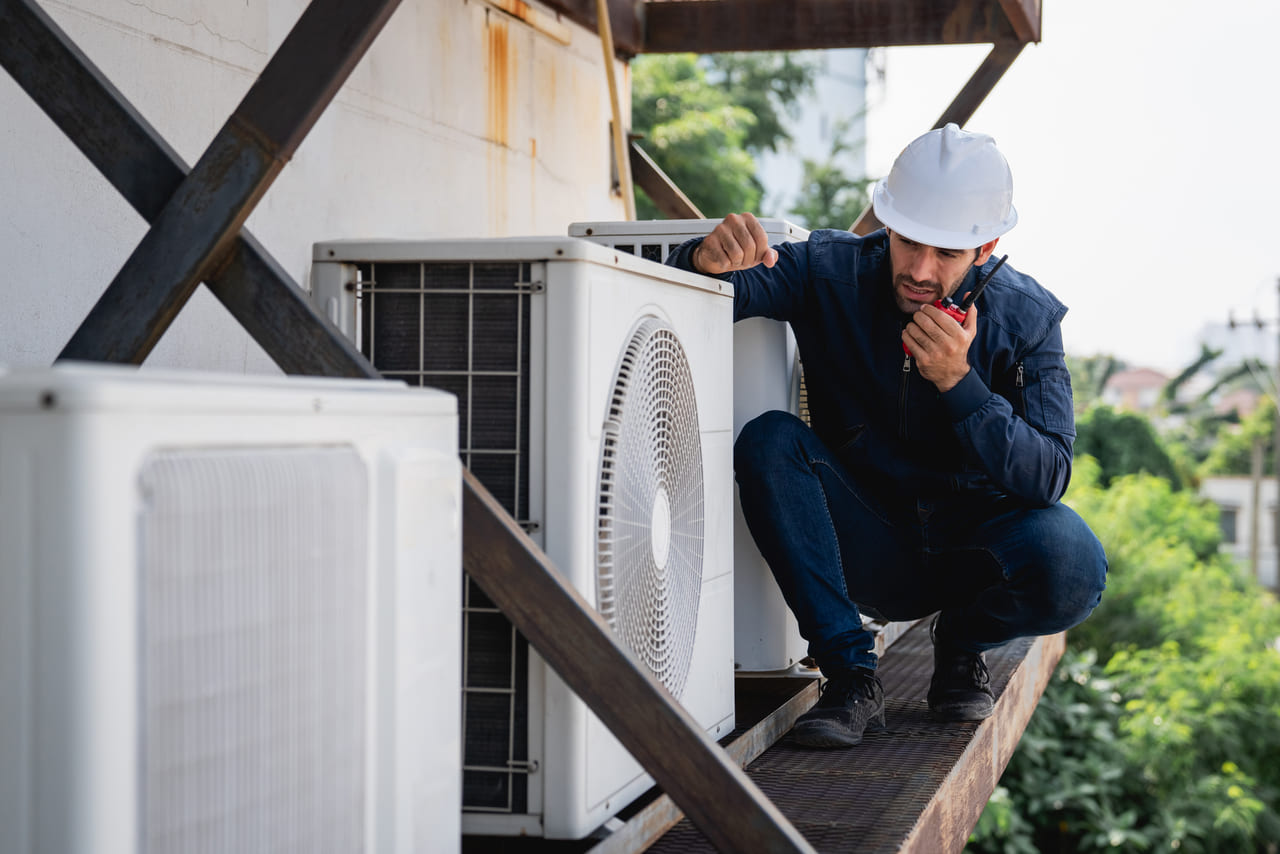
- Check the Outdoor Unit: Remove any debris and ensure the fan is spinning properly.
- Close Windows and Doors: Ensure cool air isn’t escaping.
- Inspect for Ice: If coils are frozen, turn off the system and let it thaw before restarting.
3. Weak Airflow from Vents
Troubleshooting Steps:
- Replace the Filter: Dirty filters are the most common cause.
- Check All Vents: Ensure they’re open and unobstructed.
- Inspect Ductwork (if accessible): Look for disconnections or visible damage.
4. Unusual Noises
Troubleshooting Steps:
- Whistling: Often due to a dirty or wrong-size filter.
- Buzzing or Clicking: Could be electrical. Call a pro.
- Banging or Clanging: May signal loose or broken parts. Shut off the system to prevent damage.
5. HVAC Runs Constantly or Short Cycles
Troubleshooting Steps:
- Thermostat Placement: Avoid heat sources or direct sun.
- Dirty Filter: A clogged filter forces overwork.
- System Size Mismatch: May require professional evaluation.
6. Bad Smells from Vents
Troubleshooting Steps:
- Musty: May indicate mold. Schedule duct cleaning.
- Burning: Can happen when dust burns off. Persistent smells = shut it down.
- Rotten Egg: Could signal a gas leak. Evacuate and call the gas company.
7. High Energy Bills
Troubleshooting Steps:
- Replace the Filter
- Seal air leaks around windows and doors
- Schedule a system tune-up
8. Water Leaks Around the Indoor Unit
Troubleshooting Steps:
- Check the Drain Line: Use a wet/dry vacuum to clear.
- Inspect the Drip Pan: Replace if cracked or out of place.
Pro Tip: Keep a Maintenance Checklist
- Replace filters regularly
- Check thermostat batteries
- Inspect vents for dust and blockages
- Book seasonal tune-ups
Bell Air Heating and Cooling offers maintenance plans to make it easy.
When to Call a Professional
If these issues persist, or if you notice:
- No airflow
- Strange or loud noises
- Water pooling
- Electrical burning smells
- Frozen or leaking refrigerant lines
Call a licensed HVAC technician immediately. Delaying repairs may cause more expensive damage.
Common HVAC Error Codes and What They Mean
Modern HVAC systems display error codes to identify problems.
- E1 or E2: Sensor failure
- F1 or F2: Communication error
- FL: Drain pan full or clogged
- H1 or H2: Overheating detected
Check your manual for brand-specific codes and call a technician if codes persist.
DIY vs. Professional Repairs
You Can Try DIY If:
- Filter is dirty
- Thermostat needs batteries
- Vents are blocked
- Breaker tripped
Call a Pro If:
- System is leaking
- Making loud or unusual noises
- You see error codes
- Refrigerant issues
Don’t risk safety or equipment damage by guessing. Let an expert help.
Savannah-Specific HVAC Tips
- Watch for Mold: Humidity encourages mold growth in ducts.
- Adjust Thermostat Seasonally: 76–78°F in summer, 68–70°F in winter.
- Clean Outdoor Unit After Storms: Clear debris and rinse gently.
Final Thoughts
Troubleshooting HVAC problems at home is a smart way to save time and money, but only up to a point. For more serious issues, or when in doubt, always contact a professional.
At Bell Air Heating and Cooling, we serve Savannah homeowners with reliable HVAC repair, maintenance, and expert diagnostics. Whether your system is underperforming or completely down, our team is ready to restore your comfort.
Need help today? Call Bell Air or schedule service online. We’re here to keep your home comfortable year-round.

.png)