

April 9, 2026
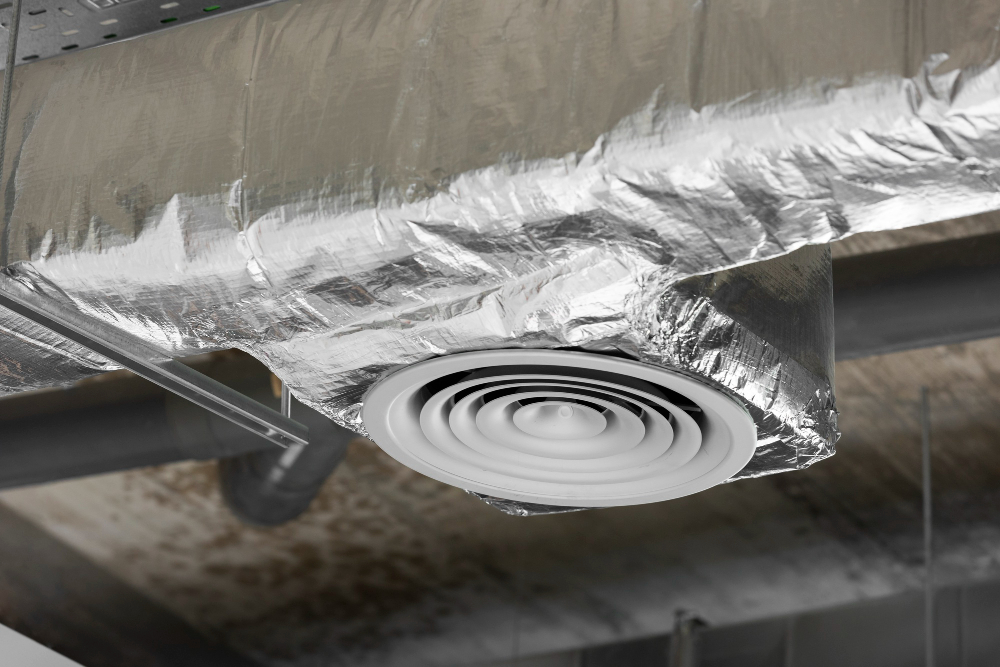
If your home has uneven temperatures, high energy bills, or weak airflow, leaking ductwork may be the hidden problem.
Many Georgia homeowners search for:
The truth is, properly sealing ductwork is one of the most effective ways to improve HVAC performance.
In this guide, we explain:
Mastic for ductwork is a thick, paste-like HVAC duct sealant used to seal joints, seams, and gaps in air ducts.
It is sometimes called:
Unlike regular duct tape, mastic forms a permanent airtight bond.
Many homeowners try to fix duct leaks using:
The problem?
Standard duct tape dries out, peels, and fails under Georgia heat and humidity.
Over time, adhesive breaks down and air leaks return.
Professional HVAC technicians use:
Because they are durable and long-lasting.
Georgia homes deal with:
When ductwork leaks, you lose conditioned air into:
This forces your AC to run longer and increases energy bills.
Proper HVAC duct sealing can:
There are several types of ductwork sealant used today.
The most effective solution.
Also called:
Applied with a brush or gloved hand, it dries into a rubber-like barrier.
Best for permanent duct sealing.
This is foil-backed tape combined with mastic adhesive.
Good for:
Used in some professional applications to seal internal duct leaks.
Not typically a DIY solution.
Ductmate systems use metal flanges for joining duct sections. These still require mastic HVAC sealant at the seams.
If sealing AC duct work yourself, follow these steps:
For larger gaps, mesh tape may be embedded in mastic for reinforcement.
Over time, old mastic on ductwork can crack or separate.
If you need to:
repair old cracked mastic ductwork on air handler
Follow these steps:
If the duct joint is loose or damaged, professional repair may be required.
Many homeowners search for:
home depot mastic
Retail mastic products can work for small DIY repairs.
However, professional-grade HVAC ductwork sealer is often thicker, more durable, and designed for long-term performance in hot attics.
You may need duct seal if you notice:
In Georgia’s climate, small duct leaks can significantly impact comfort.
Sometimes sealing is enough.
However, if ductwork is:
Replacement may be necessary.
A professional inspection can determine the right solution.
Professional AC duct sealing services include:
Proper HVAC duct sealing tape and mastic are used according to industry standards.
Mastic for ductwork is one of the most effective ways to improve HVAC efficiency in Georgia homes.
Unlike duct tape, mastic sealant creates a durable, airtight barrier that withstands heat, humidity, and time.
Whether you are:
Proper application is key to long-term results.
If your ductwork is leaking, professionally applied HVAC duct sealant can dramatically improve comfort, airflow, and energy efficiency.
Leaky ductwork wastes energy and drives up your cooling costs. If your HVAC system is struggling to keep up, professional duct sealing can make an immediate difference.
Bell Air Heating and Cooling provides expert HVAC duct sealing and airflow inspections throughout Savannah and surrounding areas. Schedule your ductwork evaluation today and start saving on your energy bills.
Call now or book your service online to restore comfort and efficiency to your home.
.png)